
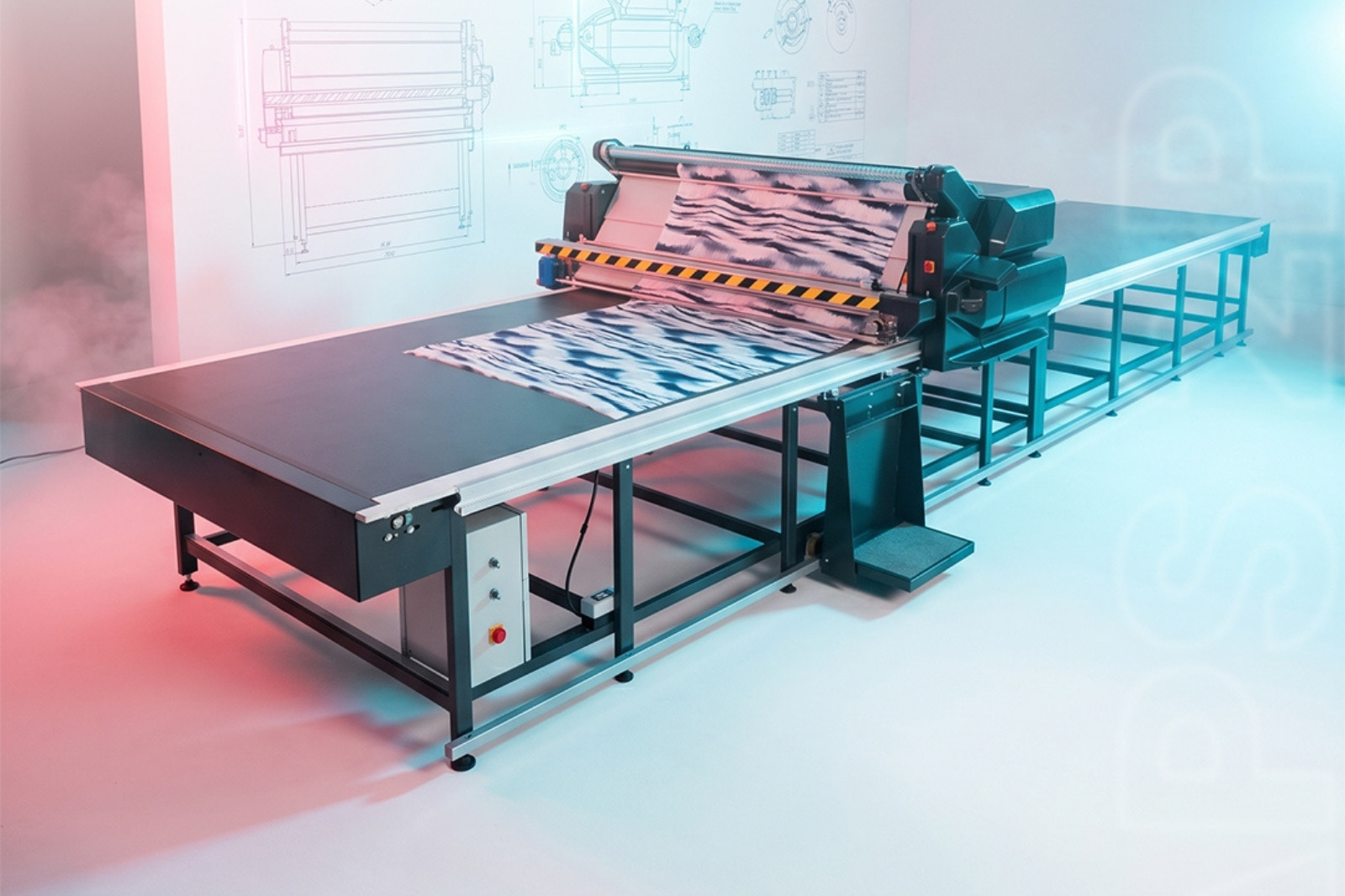
Automatic Fabric Spreading Machine: Ways to Achieve Standardization in Modern Apparel Production
In the textile and ready-to-wear sector, the consistency of each product in terms of size and quality is just as critical as the speed of production. The spreading process, which is the first stage of the apparel chain, is the fundamental step that directly determines the cutting quality. Spreading operations performed with human labor in traditional methods bring along problems such as edge misalignments, fabric stretching, and air gaps between layers, which lead to major defects during the sewing stage. Automatic fabric spreading machine systems eliminate these problems and provide full standardization on production lines.
The Impact of Tension Control on Production Quality The stretching of flexible and sensitive fabrics (for example, lycra, knitted, or thin polyester materials) during spreading causes the pieces to shrink (shorten) after cutting. This situation leads to serious size and pattern deviations in the final product. Automatic systems spread the fabric on the table with zero tension, thanks to their built-in servo-motorized drive units. Thanks to conveyor feeding systems that prevent the fabric from deforming under its own weight, the material is preserved completely in its natural form at the moment of spreading.
Technical Parameters of Automatic Spreading Systems Speed and flexibility are the fundamental criteria of efficiency in modern spreading technologies. The engineering details that stand out in these systems are as follows:
-
Speed Management: Spreading speeds that can go up to 105 meters per minute ensure that even the most intensive marker preparation processes are completed without any delay.
-
Edge Alignment Precision: Electronic motion-sensitive photocell technologies align the edges of the fabric layers on top of each other with millimetric accuracy. This feature minimizes fabric waste on the side edges.
-
Material Flexibility: Both fabric rolls and open-relaxed fabrics are processed with the same precision. The adjustable working width capacity between 160 cm and 220 cm adapts instantly to different fabric widths.
Conclusion and Operational Convenience Automatic fabric spreading machines, which are a combination of mechanical robustness and digital control, are easily controlled via touch screens (PLC). Operators can adjust parameters such as spreading length, number of layers, and cutting speeds within seconds. Spreading solutions manufactured in Sakarya Akyazı optimize the mass production capacity of apparel enterprises by reducing the margin of error.